


Drones for Bikepacking: How to Capture Epic Cycling Adventures from the Air
Bikepacking has a unique allure. As you cycle through rugged mountain trails or glide along desolate coastal ridges, drones can truly capture the epic, breathtaking aerial perspective of your human adventure, turning it into a cinematic experience.
Bringing a drone on a bike trip will revolutionize your experience. In this guide, we'll explore why drones are an essential tool for bike trip creators and how to cleverly combine bike trips with drone photography to create unforgettable moments.
Why Bring a Drone on a Bike Trip?
A major challenge in documenting bikepacking is showcasing the scale of the journey. Action cameras can capture what you see, but rarely show where you are. Drones, however, completely change that.
On a bike touring trip, you'll encounter endless gravel trails winding through forests, towering ridges stretching into the distance, desert landscapes and remote campsites, river crossings and scenic valleys, sunrises and sunsets over campsites...
A drone's wide-angle aerial footage can tell the complete story of your journey, not just record the ride itself. Drone footage of bike touring is a great topic for content creators on YouTube, Instagram, or personal travel blogs, and it's quite popular.

How to Choose the Best Drone for Your Bike Touring
Drone footage enhances the cycling experience. Choosing the right drone is also crucial for long bikepacking adventures. In the best drones for cycling, we need to discuss the following characteristics:
Lightweight Design
How to Carry a Drone on a Bicycle? Weight should always be your primary consideration. Cycling is a challenge of strength and endurance, and every pound of weight affects climbing efficiency and overall comfort.
Compact, foldable drones are ideal because they easily fit into frame bags, handlebar bags, or backpacks without taking up too much space. Lightweight drones also mean you can carry fewer accessories and batteries.
Battery Life
A ride can last for several hours without a break, while a camera drone battery typically only lasts 25-40 minutes. For multi-day rides, riders need to carry two to three spare batteries, multiple battery chargers, and a high-capacity power bank, planning their drone charging strategy accordingly.
Wind Resistance
Ride routes often include exposed ridges, mountain passes, coastlines, and open deserts. These environments can generate strong winds, posing a challenge to small drones. Choosing a reliable, wind-resistant drone provides smoother video, safer flight, more stable GPS positioning, and greater confidence in changing weather.
Most small 4K camera drones are wind-resistant up to level 5, while high-performance camera drones can withstand up to level 8.
Further Reading: How does Wind Affect Drone Flight?
→Camera Quality
Modern drones can shoot impressive video, but camera quality still varies significantly. For creating professional bike touring videos, choose a drone with 4K capabilities, HDR video support, a large image sensor, excellent low-light performance, mechanical or electronic image stabilization, and a 3-axis gimbal.
Smart Tracking
Do you enjoy solo riding or riding with companions? For solo riders, a drone's intelligent subject tracking is your best riding assistant.
"Smart Follow" allows your drone to automatically follow you while maintaining a safe distance. The drone will also activate real-time obstacle avoidance without requiring manual control of each shot.
This allows you to focus on riding while capturing dynamic footage from different angles, showcasing your cycling journey. However, be sure to use the follow-me function in open areas for safety.
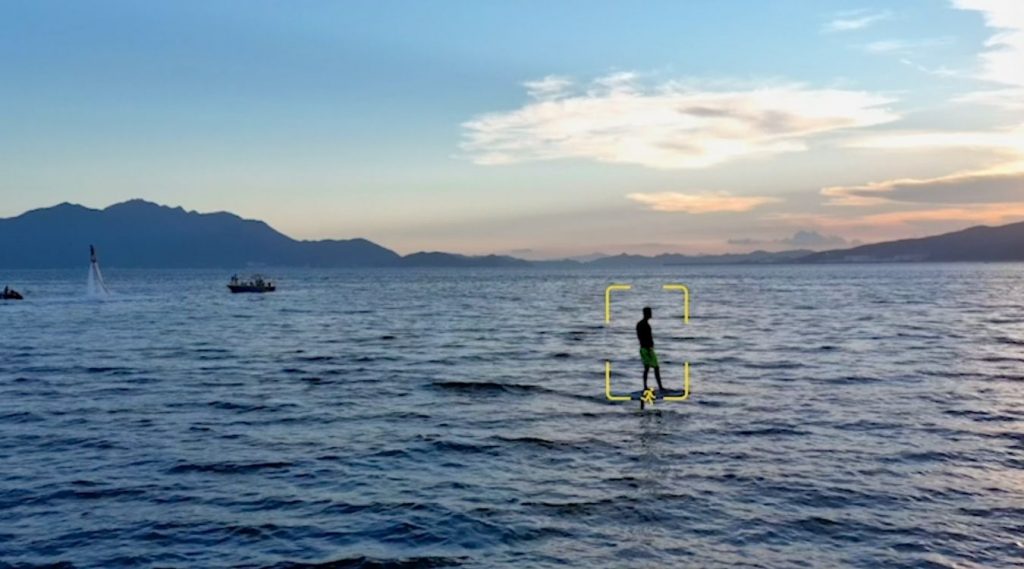
How to Shoot Great Bike Touring Videos?
Owning a drone is only half the battle. Great storytelling depends on how you use it. Unique shots and environments can make your cycling journey more adventurous and challenging.
In choosing cycling locations, mountains, rivers, forests, campsites, and remote roads—a bicycle traversing them—create a powerful visual narrative.
The vastness of the world makes humans so small. Side-tracking shots, revealing shots, high-altitude overhead shots, low-altitude cinematic aerial shots, and slow-motion zooms can make your scene narrative more impactful.

Don't forget to add more narrative elements. While some unique natural shots are beautiful, adding them to your cycling over obstacles, campsite setup, and unexpected rides will make your video more memorable.
Shoot at the best moments. Shooting during the golden hours of dawn and sunset will give your videos softer shadows, richer colors, better landscape contrast, and more dramatic skies. Don't underestimate the power of light and shadow.
Outdoor Cycling Precautions
One of the joys of cycling trips is immersing yourself in nature, but here are some things to keep in mind.
Check local regulations: Many national parks and wilderness areas prohibit drone flights. Before turning on your remote, always check for restrictions using apps like B4UFLY or local airspace maps.
Be mindful of wildlife: Drone noise can be a nuisance to animals if they get too close. Be aware of the 400-foot limit for drone flights, protect wildlife, and avoid flying during their nesting season.
Protect privacy: Do not fly over crowds or disturb other hikers or cyclists.
Drone maintenance: Use a lightweight protective case or electronic backpack, store batteries separately, and protect your electronic devices from rain and dust.
Looking for the right drone for bikepacking?
If you're still comparing different drone models, you might also like our guide, "Top 5 Drones for Mountain Bikes in 2026."
While this article focuses on mountain biking, many of the drones featured are also excellent choices for bike touring. Their lightweight design, intelligent tracking systems, image stabilization, and powerful battery life make them ideal for multi-day cycling expeditions.
Reading both guides together should help you decide which drone best suits your riding style and shooting goals.
Conclusion
Drones can capture stories from perspectives that action cameras can't reach. From winding gravel roads to remote campsites hidden beneath majestic mountains, aerial footage adds depth, scale, and emotion to every adventure.
Still worried about taking your drone on a bike touring? Check out this guide to make it easier.