


Best Drones for Photography and Videography 2026
Whether you're a commercial filmmaker shooting high-end client material, a travel blogger seeking ultra-portable equipment, or a photography enthusiast looking to enhance your visual storytelling, choosing the right drone can completely transform your shooting experience.
Pursuing seasonal photography or capturing breathtaking natural wonders? Modern drone platforms, equipped with multi-sensor systems, advanced camera systems, and powerful flight capabilities, offer options for users with different budgets when it comes to photography drones.
Choosing the best photography and videography drone in 2026 depends on your priorities—image quality, portability, budget, flight time, or whether you prefer a non-DJI brand. After evaluating current market leaders, here are the key competitors and clear recommendations.

Quick Comparison: Top Picks at a Glance
| Model | Main Sensor Size | Video Resolution | Maximum Flight Time | Weight Class | Best Use |
| DJI Mavic 4 Pro | 4/3 CMOS (Hasselblad) | Supports up to 6K/60fps HDR | Approx. 51 minutes | Professional (>900g) | Ultimate Video and Image Quality |
| DJI Air 3S | 1-inch CMOS | Telephoto Lens | Supports up to 4K/60fps HDR | Approx. 45 minutes | Mid-range (Approx. 724g) | Best All-Round Value / Landscape Shooting |
| DJI Mini 4 Pro | 1/1.3-inch to 1-inch CMOS | 4K/60fps HDR | Approx. 34–36 minutes | Ultralight (<249g) | Portable and compliant with regulations |
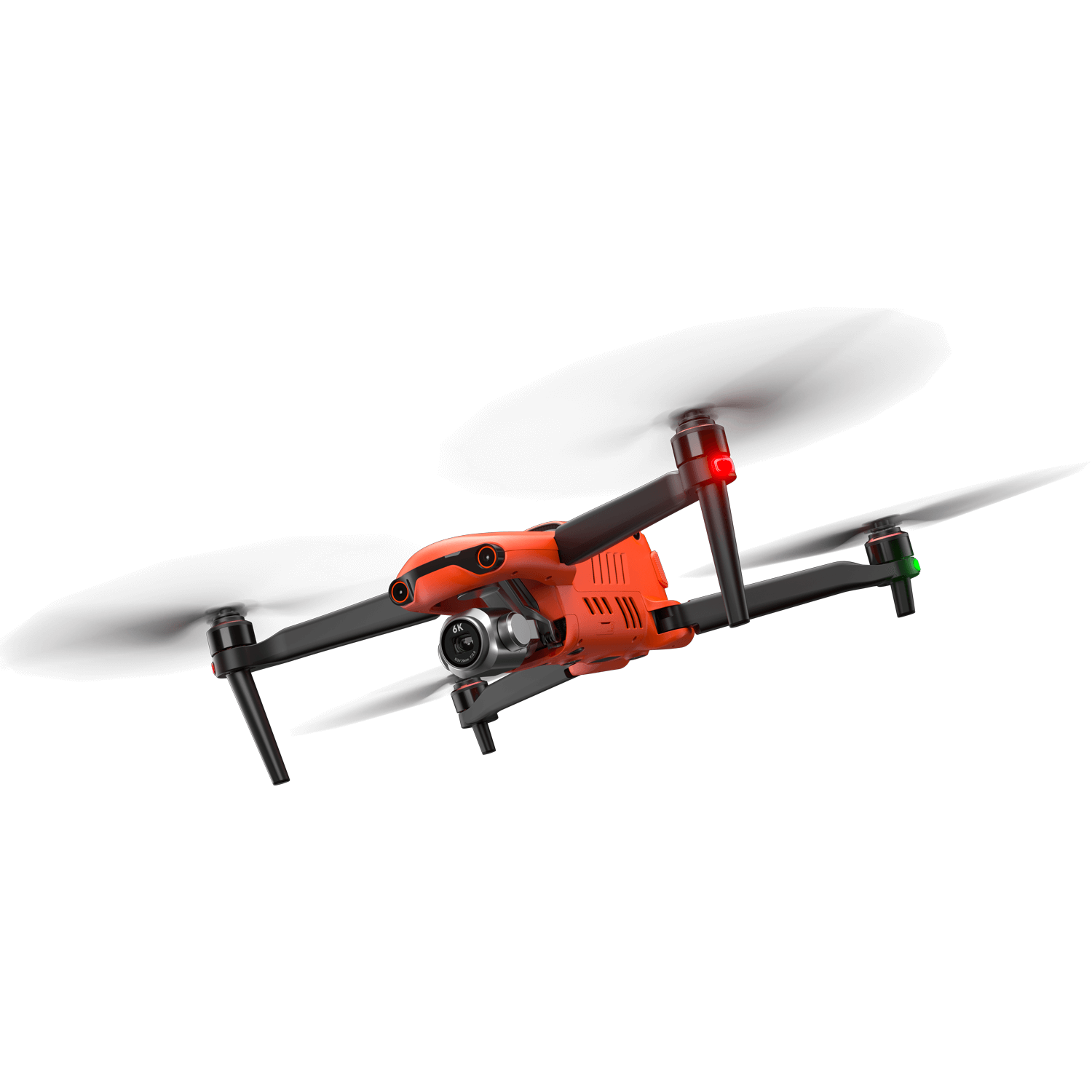
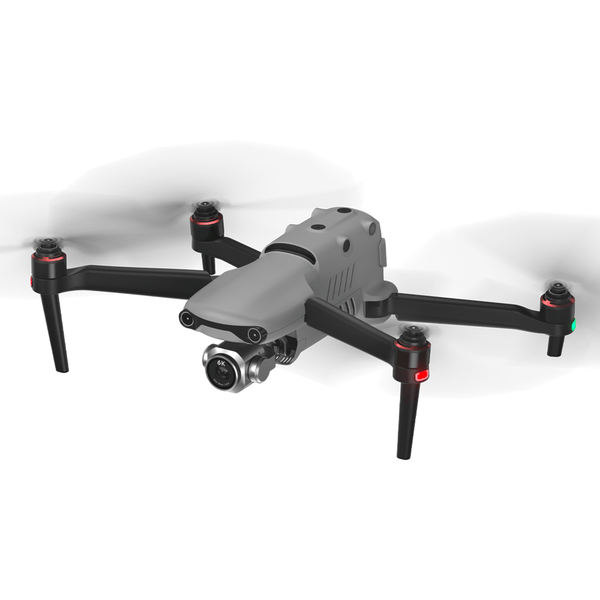
| Autel EVO II Pro V3 | 1-inch CMOS | 6K/30fps | Approx. 40 minutes | Professional grade (approx. 1191g) | Best choice for non-DJI professional cameras |
How should I consider drone camera sensors?
In drone photography, drone users should focus more on sensor size and image quality. Larger sensors (1-inch or 4/3-inch) offer better dynamic range, low-light performance, and detail. Drone camera sensor size is often more important than pixels.
In drone videography, drone users need to focus on 4K/6K resolution, high frame rates, 10-bit color, and Log curves in video features for professional color grading.
Here is a detailed comparison of the camera specifications of the four drones:
DJI Mavic 4 Pro — Triple-camera system with a flagship 4/3-inch Hasselblad main sensor (capable of shooting up to 100MP photos/6K video), mid-telephoto and telephoto lenses for extended field of view, 10-bit D-Log M and HLG color profiles, and expanded high frame rate options.
DJI Air 3S — Dual-camera system featuring a 1-inch CMOS 24mm 50MP wide-angle main camera and a 1/1.3" CMOS 70mm 48MP 3x telephoto camera.
DJI Mini 4 Pro — 1/1.3-inch CMOS sensor, f/1.7 aperture, capable of shooting 4K/60fps HDR video and 48MP RAW photos. The camera gimbal can physically rotate 90 degrees for 4K portrait shooting.
Autel EVO II Pro V3 — 1-inch CMOS sensor, 6K video resolution, and a physically variable aperture (f/2.8 to f/11), 10-bit A-Log DNG files, Night Moonlight Algorithm 2.0, and supports ND filters.
In-depth analysis: DJI Mavic 4 Pro (approximately $2,899 USD)

DJI Mavic 4 Pro Positioned as a flagship model for professional creators in this comparison, priced above $2,000, the Mavic 4 Pro stands out by combining a Hasselblad 4/3-inch main sensor with outstanding 6K video – ideal for demanding photography.
This camera supports HDR 6K video recording at up to 60fps, delivering richer colors and superior highlight/shadow detail compared to standard dynamic range video. Dual telephoto lenses allow for easy and flexible composition.
Furthermore, exceptional dynamic range, color science, and intelligent features, along with its 100-megapixel sensor, deliver exceptional color reproduction for professional photographers and videographers. The Mavic 4 Pro drone boasts professional-grade specifications and performance, making it a high-return investment.
In-depth review: DJI Air 3S (approximately $1,599)

The dual-camera system (1-inch wide-angle + mid-telephoto) captures outstanding photos and 4K video with powerful dynamic range and slow-motion capabilities. It achieves an excellent balance between performance, portability, and price, offering reliable obstacle avoidance and offers approximately 45 minutes of flight time.
This foldable and highly portable drone also features advanced collision avoidance, excellent target tracking, fast offline data transfer, and is user-friendly for beginners.
Best for: Most hobbyists and professional creators looking for high-quality images at a non-flagship price.
In-depth: DJI Mini 4 Pro (approx. $1,099)

DJI is the most well-known brand in the consumer drone market, and the DJI Mini 4 Pro is its entry-level consumer drone. Weighing less than 250 grams, it's registration-free yet boasts impressive performance.
The 1-inch sensor captures excellent 4K video and richly detailed photos while maintaining high portability and complying with regulations in many regions.
The drone supports full obstacle avoidance, but like most mini drones, it doesn't perform exceptionally well in windy conditions.
In-depth: Autel EVO II Pro V3 (approx. $1,999)

If you want exceptional image quality outside the DJI ecosystem, the Autel EVO II Pro V3 is one of the best choices. It features a 1-inch CMOS sensor with an adjustable aperture (f/2.8–f/11), capable of shooting 20-megapixel still photos and supporting up to 6K 30fps video (and 4K/60fps).
The Moonlight algorithm helps with shooting in low-light conditions, while 12-bit A-Log DNG support provides strong post-production flexibility. It has a flight time of approximately 40 minutes, reliable obstacle detection, and a more open geofencing function compared to its competitors.
The Autel EVO II Pro V3 excels in its overall flight experience. Autel's app is intuitive and easy to use, GPS positioning is fast, and the drone's wind resistance is excellent, a significant improvement over the upgraded Autel EVO2 Pro V2. If you're feeling overwhelmed by the current DJI ban in the US, consider the Autel EVO II Pro V3.
Flight Time and Range
The flight times and ranges published by drone manufacturers are measured under ideal conditions. However, in open, windless conditions, actual flight times and ranges are very close to the advertised figures.
The DJI Mavic 4 Pro boasts a flight time of up to 50 minutes, a real advantage for extended shooting sessions.
The DJI Air 3S advertises a flight time of 45 minutes, with an estimated actual flight time of 40 minutes.
The DJI Mini 4 Pro offers a flight time of up to 34 minutes, with a flight time of approximately 30 minutes under conservative flight conditions, consistent with the flight duration of most drones under 250 grams.
Autel EVO II Pro V3 Flight time can reach 40 minutes, and it supports 1080p@30fps transmission.
Most recreational pilots are not permitted to fly beyond visual line of sight (BVLOS), so they tend to keep the transmission distance within 6 kilometers. In commercial photography, BVLOS flight photography requires additional permits.
Buying Guide: How to Choose the Right Drone?
When choosing a photography/videography drone platform, the following key factors can be used to assess your creative needs:
- Sensor Size: Larger sensors (4/3-inch or 1-inch) are directly related to better dynamic range, sharper low-light shooting, and richer color depth. If you are shooting at dawn, dusk, or night, prioritize a 1-inch or larger sensor.
- Weight and Regulations: Drones weighing less than 250 grams (such as the DJI Mini series and Autel Nano Series) The Nano series can bypass many local registration restrictions and makes it easier to take drones on airplanes for international flights.
- Flight Time and Range: Longer battery life means less downtime.
- Obstacle Avoidance and Ease of Use: Crucial for safe and creative flights.
- Brand Considerations: Government bans, geofencing, brand recognition, and after-sales support.
Summary
The "best" drone depends on your destination and workflow. The Autel EVO II Pro V3, with its large sensor, adjustable aperture (for creative control), and stable 6K... Its video shooting capabilities and excellent flight performance make it stand out. It's an attractive option for creators who prioritize image quality, don't want to be constantly limited in their flight, and seek more options.
Final tip: Be sure to check local regulations, practice in open areas, and consider purchasing a Fly More Package with extra batteries for longer shooting sessions. Ultimately, image quality depends not only on the drone itself but also on lighting, composition, and post-processing.
Best Photography/Videography Drones FAQs
Which Aerial Drone is the Best?
Every aerial drone has its unique strengths. Understanding which drone's features appeal to you most is key to finding the best fit.
For ultimate image quality and a sufficient budget, choose the DJI Mavic 4 Pro. For a balance of image quality, features, and price, choose the DJI Air 3S. Beginners who prioritize portability and ease of use should opt for the DJI Mini 5 Pro. For powerful 1-inch/6K video shooting without geofencing, choose the Autel EVO II Pro V3 Photography Drone.
What's the difference between a camera drone and a regular drone?
The biggest difference between a camera drone and a regular drone lies in the camera sensor. A high-quality camera makes your aerial photography experience unforgettable.
Are aerial drones more expensive than regular drones?
Generally speaking, yes. Although "aerial drone" refers to any drone with a camera, they are usually more expensive than drones without cameras or toy drones. However, camera drones under $1,000 can still offer excellent flight performance and a great aerial photography experience.
Can I shoot at night?
Yes. Night photography drones are also worth considering. Nighttime aerial photography requires the drone to capture more light sources. The Autel EVO II Pro V3 drone's Moonlight Algorithm 2.0 produces brighter colors and clearer images at night compared to camera drones in the same price range. Typically, night-flying drones also need to be equipped with anti-collision lights for nighttime illumination.
Is it really worth buying an aerial drone?
Buying a drone to take photos or videos and record some unforgettable moments is indeed fun. As mentioned before, there is a wide variety of aerial drones on the market, and you can get a 4K drone for just a few hundred dollars.
What kinds of companies use drones for photography and videography?
Many different industries use commercial drones to capture aerial photography and videography for marketing, inspections, and project tracking.Such as Real Estate and Property Development, Construction and Architecture, Film, Entertainment, and Marketing, Agriculture and Land Management, Tourism and Hospitality.