


Optical vs. Digital Zoom in Drones: Who's the Real Winner?
In the world of drone aerial photography, industrial inspection, and emergency rescue, the performance of a large camera sensor is always paramount. Is zoom functionality important? Between optical zoom and digital zoom, how should I choose?
This article will detail the differences between the two and analyze which zoom method is superior.
Optical vs. Digital Zoom: How They Work
In the digital world of cameras, optical zoom and digital zoom differ significantly at both the physical and algorithmic levels. Although both ultimately achieve the effect of magnification or reduction, the image quality differs markedly.
Optical Zoom: Adjusting the physical lens position ➔ Changing the focal length ➔ True optical magnification ➔ Lossless image quality
Digital Zoom: Software cropping the center area of the sensor ➔ Algorithm interpolation to enlarge ➔ Pixel enlargement ➔ Lossy image quality
In every flight, we yearn for rich and vibrant footage. Lossless zoom is beneficial for aerial photography and is also needed by the inspection and mapping industry. Even if the image is cropped, the image quality remains unaffected.
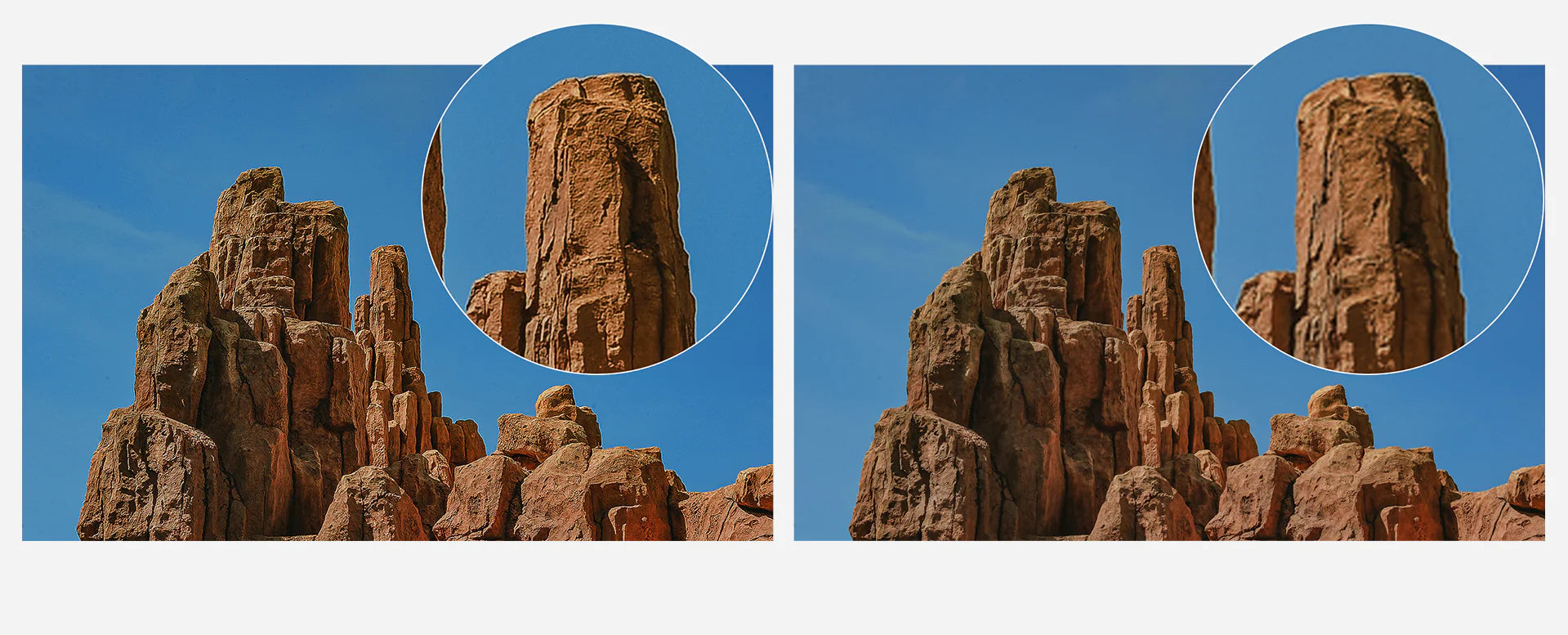
What is Optical Zoom?
Optical zoom changes the focal length by moving the glass lens group inside the lens. This is like pushing a telescope right under your eyelid; the sensor receives the true, uncropped optical details. No matter how much magnification is applied, the image resolution and detail integrity are almost unaffected. Currently, most optical zoom drones support 10x/20x/30x zoom, such as the EVO Max series.
Advantages of Optical Zoom
Optical zoom camera drones offer advantages such as high image quality, precise detail, and better performance in low-light conditions!
In industrial scenarios where detail is paramount, optical zoom drones can maintain image quality even at high magnification, clearly and sharply displaying even the finest details and textures. In high-voltage power tower inspections and bridge cable crack checks, drones can remain within electromagnetic safety airspace at a distance of 50m, and still clearly capture images of loose bolts or damaged insulators using the zoom function. In twilight or low-light conditions, optical zoom lenses can provide higher light intensity. For example, the Autel EVO Max 4N drone offers a 5km nighttime recognition capability.
Disadvantages of Optical Zoom
Size and Weight: The complex lens assembly inside a zoom lens increases mechanical weight, making drones with optical zoom heavier and larger than camera drones. Consider the size and weight of your drone when deploying it for missions.
Cost: Optical lens components are expensive to manufacture and require micro-motors and complex mechanical structures to operate. This increases investment costs for recreational drone enthusiasts.
What is Digital Zoom?
Digital zoom is essentially camera software performing "crop and interpolate." If the sensor itself only has 4K pixels, when using 2x digital zoom, it only reads the central 1080P image and stretches it back to fill the 4K screen. This inevitably leads to blurred image quality and noise and jagged edges. Currently, most consumer camera drones use digital zoom or hybrid zoom.
Advantages of Digital Zoom
The advantages of digital zoom lie in its flexible operation, lack of added weight, and reasonable cost!
For portable consumer drones under 250g prioritizing lightweight design, every gram increase directly reduces battery life. Digital zoom camera lenses, relying on software algorithms, offer zero additional weight and allow for arbitrary magnification of specific parts of an image, making them compatible with most entry-level camera drones.
Disadvantages of Digital Zoom
Image Quality Loss: Since digital zoom essentially "crops" the image, image quality often degrades. Images may become pixelated and blurry. In industrial inspections, after magnification several times, even tiny cracks can easily become a blurred image, negating practical engineering effectiveness.
Limitations: Digital zoom cannot achieve the level of detail of optical zoom. To maintain image quality, it's necessary to fly very close to the target, increasing the risk.
Who is the Real Winner?
From the perspective of image quality and practical value, optical zoom is the absolute winner in most professional scenarios. However, in practical drone applications, low-magnification lossless zoom combined with hybrid zoom is currently the dominant technology in the camera drone industry. Most mainstream industrial drones possess hybrid zoom capabilities, utilizing a high-resolution wide-angle main camera + multiple optical telephoto lenses + intelligent digital algorithms to achieve orthophoto and oblique photography in long-distance aerial photography, inspection, and mapping.
Autel EVO Max 4T V2 Multi-role Camera Drone Zoom Capabilities:
1x - 10x: Pure optical zoom, maintaining 100% lossless image quality.
10x - 160x: Switches to a telephoto lens, combining algorithms for hybrid digital zoom, meeting the needs of ultra-long-distance target confirmation and positioning.

How to Choose a Zoom Drone?
In drone applications, zoom capability affects the drone's weight, flight time, applicability, and cost-effectiveness. Furthermore, most camera drones do not offer replaceable camera lenses, making it impossible to upgrade the drone's camera functionality.
If you are a film/aerial photographer/creator: prioritize optical zoom or multi-focal length drones. The spatial compression of a telephoto lens can bring a powerful cinematic feel to your videos.
If you are an industrial inspector/security/search and rescue personnel: optical zoom is an absolute must. High-magnification optical zoom combined with gimbal stabilization ensures accurate and usable on-site data.
If you are just using it for casual, everyday recreation: 4K drones typically support 1-16x digital zoom, sufficient for everyday composition, and are more affordable.
Read More: How Zoom Camera Drones Are Revolutionizing Industrial Visual Inspection?
Conclusion
Which zoom lens is best for you: optical zoom vs. digital zoom? This largely depends on your specific needs. Optical zoom drones offer the best image quality and detail, while digital zoom drones are suitable for more flexible and economical applications.
Want to know which Autel drone is right for you? Please check Autel drone zoom specifications.