


Where in the US can you fly a drone?
Buying your first drone is exciting. After unpacking it and learning basic flying and photography skills, you might wonder, where in the US can I fly it? Private backyards, parks, forests, beaches, roads—they all seem like good options! But, can I actually fly it in these places?
There's a disheartening conclusion: owning a drone doesn't mean you can fly it anywhere.

Flying drones in the US requires understanding strict federal and local regulations. The FAA (Federal Aviation Administration) is the core regulatory body, and violations can result in hefty fines, equipment confiscation, and even legal liability.
Basic FAA Rules Drone Pilots Must Follow:
- Recreational Flying: Must pass the TRUST test (free online test).
- Drone Registration: Drones weighing over 250g (approximately 0.55 lbs) must be registered and affixed with an ID.
- Remote ID: Most drones require a broadcast identification signal.
- Key Restrictions: Flight within Visual Observation (VLOS)
- Altitude: Not exceeding 400 feet (approximately 122 meters)
- Avoid crowds, emergency rescue sites, and manned aircraft
- Do not fly recklessly
- Activate Remote ID
- Engine collision avoidance lights when flying at night.
As a precaution, drone pilots must check real-time airspace and restrictions before takeoff.
Where can you legally fly a drone?
Here we explain the flight regulations and restrictions for common flight locations such as private gardens/private property, city and county parks, state parks, national parks, national forests and BLM land, beaches, roads, and public road rights.
Can I fly in my backyard?
Generally, yes. Your backyard is usually the safest place to practice.
However, note that legally owning land does not automatically grant you unrestricted airspace rights. If you live near an airport within the flight path of manned aircraft/helicopters, you may not be able to take off because you are in a no-fly zone.
When flying over private property, it's crucial to maintain respect for neighbors' privacy and avoid unauthorized intrusion or privacy violations.

Can I fly in parks?
Partially permitted. Flying drones in parks largely depends on local regulations.
Many city parks allow recreational drone flights. Other parks completely prohibit drone flights. Flying within parks also requires adherence to regulations prohibiting flying over crowds, playgrounds, or activity areas.
Furthermore, some city parks require advance permits or have specific no-fly times. Some parks in Los Angeles (such as MacArthur Park and Silver Lake) are considered drone-friendly locations, but real-time rules should still be checked.
Can I fly in forests?
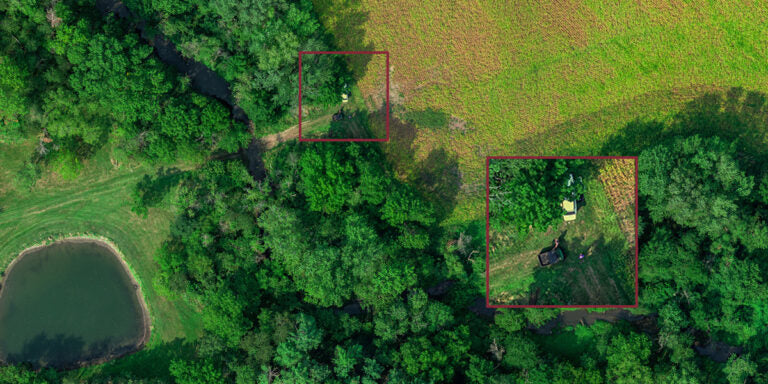
National Forests and BLM Land (National Forests & Bureau of Land Management) are relatively friendly to recreational drone flying. Flights are generally permitted, but not in Wilderness Areas, wildfire zones, or temporary restricted areas. When flying over forests, avoid disturbing wildlife habitats.

Can I fly on the beach?
Taking photos on the beach is very easy. However, caution is advised when flying drones on the beach. Many beaches (especially public beaches) prohibit or restrict drones, particularly during peak season or in crowded areas. Some state beaches allow drones, but you must stay away from swimmers and wildlife sanctuaries.
Drone beginners should prioritize smaller, less crowded beaches and check local municipal regulations beforehand.

Can drones fly over roads and streets?
Flying drones over roads and streets is generally not recommended.
High-speed recreational drones can reach speeds exceeding 12 m/s, and flying over highways can pose a safety hazard. Drones cannot fly above moving vehicles or obstruct traffic. Many cities even prohibit takeoff/landing on public sidewalks or roads.
If you are flying on a quiet road in a rural area, you can choose an open roadside suitable for a short stop, but never endanger the safety of vehicles or road users.
Of course, traffic enforcement drones are legal and authorized.

Can drones fly in residential areas?
Legal but sensitive.
Even if the Federal Aviation Administration (FAA) regulations allow flying, if a drone hovers too close, neighbors may complain or even shoot drone down.
Therefore, please avoid filming inside houses, repeatedly flying over private property, and disturbing neighbors by flying late at night.
Can I fly near an airport?
Generally, no. Drone flights near airports are strictly regulated and usually require authorization. Unauthorized flights may result in penalties.
Practical Flight Tips for Drone Pilots
- Conduct pre-flight checks: including drone equipment and flight plan.
- Best flight times: early morning or dusk, when there are fewer people and better lighting.
- Safety first: Maintain a safe distance from people/buildings and be aware of the weather (strong winds, rain).
- Local regulations: Above federal regulations, there are state, county, city, and even community regulations; always double-check.
- Community resources: Join your local AMA (Academy of Model Aeronautics) flight field; this is the safest and most legal practice location.
Conclusion
Flying drones in the US involves both freedom and responsibility. Plan your flight in advance with an app, conduct drone flight checks, and respect others and nature; you can enjoy amazing aerial views.
Whether it's daily practice in your own garden or magnificent aerial photography of a national forest, following the rules is essential for safe and long-term flight.